
Why Late Summer Is the Best Time to Survey After Dark
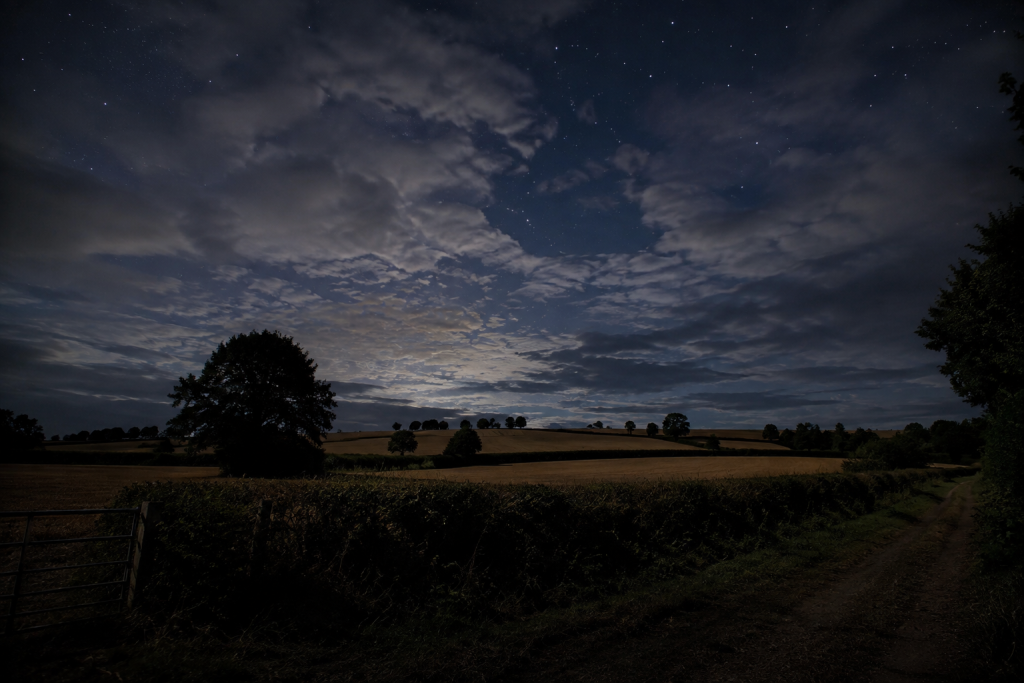
Every ecologist, land manager and surveyor knows that night-time surveys are tricky. Walking around a field in the dark, with nothing but a headtorch and what3words to guide your way, it can often feel hopeless trying to find a single bird, bat, or moth, let alone narrow down the species. Yet night-time surveys are vital, providing the only chance to monitor reclusive, nocturnal species that prefer the cover of darkness in which to conduct their business. Sounding like a character list from Kenneth Grahame, UK nocturnal animals include not just the well-known foxes, hedgehogs, and badgers, but also 17 breeding species of bat, five owl species and dozens of night-migrating waders and passerines, and over 2,000 species of moth. One way of offsetting that difficulty is to get the timing right. Data shows that late summer is an ideal time to strap on your headtorch and get to work.
Bats: peak abundance meets peak activity
Insect abundance peaks in summer due to the increased availability of plant matter, which in turn drives up bat foraging activity. Compounding this, female bats in maternity roosts usually give birth to a single pup in June or early July, which begins foraging for itself around six weeks later. This can come close to doubling the number of active individuals per roost for surveyors to spot and monitor in late August and early September. Autumn swarming and mating behaviour also begin in this period, adding yet another layer to the seasonal peak in bat activity.
Moths: overlapping generations, all at once
Moths follow a similar pattern. August and September mark the peak for UK macro-moths, when overlapping generations collide to fill our night skies with the widest variety and abundance of species of the year. Moths are important but consistently overlooked pollinators, and these ecological graveyard-shift workers deserve far more recognition, and far more monitoring effort, than they currently get.
Birds: the first migrants are already moving
Birds complete the picture. While the more familiar nocturnal species owls, for example, are active year-round (though their vocal activity peaks later, in autumn and winter), early wader and passerine migrations often begin in late summer, overlapping with the peaks in bats and moths. The result is a short window with more species active and airborne than at almost any other point in the year; rich pickings for anyone monitoring nocturnal biodiversity. Lastly, on a point of comfort, late summer nights are both long enough to capture sufficient data and warm enough to survey without your teeth chattering loud enough to scare the target species away.
Where passive monitoring fits in
This late-summer surge makes it an exhilarating time to be out in the field, but the sheer volume of activity in the night sky presents a real challenge for human observers. Traditional, hands-on surveys remain irreplaceable for habitat mapping and ground-truthing. But tracking an entire landscape's worth of overlapping bat passes, moth flights, and avian migration calls in real time requires more bandwidth than any single observer has. This is where remote, passive monitoring technology comes in, quietly capturing data behind the scenes to support manual survey efforts. It is the reason we built BatSense, MothSense and BirdSense around continuous recording rather than snapshot visits. One of our deployments in Kent demonstrates the scale of what's out there: 660,000+ detections across 109 taxa, from a four-sensor array. The recorders themselves are small and unobtrusive, and they work every night, whether or not a surveyor is there.
Ultimately, this technology doesn't mean leaving the headtorch behind. It means entering the field armed with the comprehensive, continuous data needed to make smarter conservation decisions. Whether you're wading through a bog or scrolling through a spreadsheet, late summer is the best time to see what's really out there after dark.
We can help
If you're planning night-time survey work this season, we can help you get more out of it. Get in touch to talk through passive monitoring for bats, moths and birds. - info@wildersensing.com
Related posts
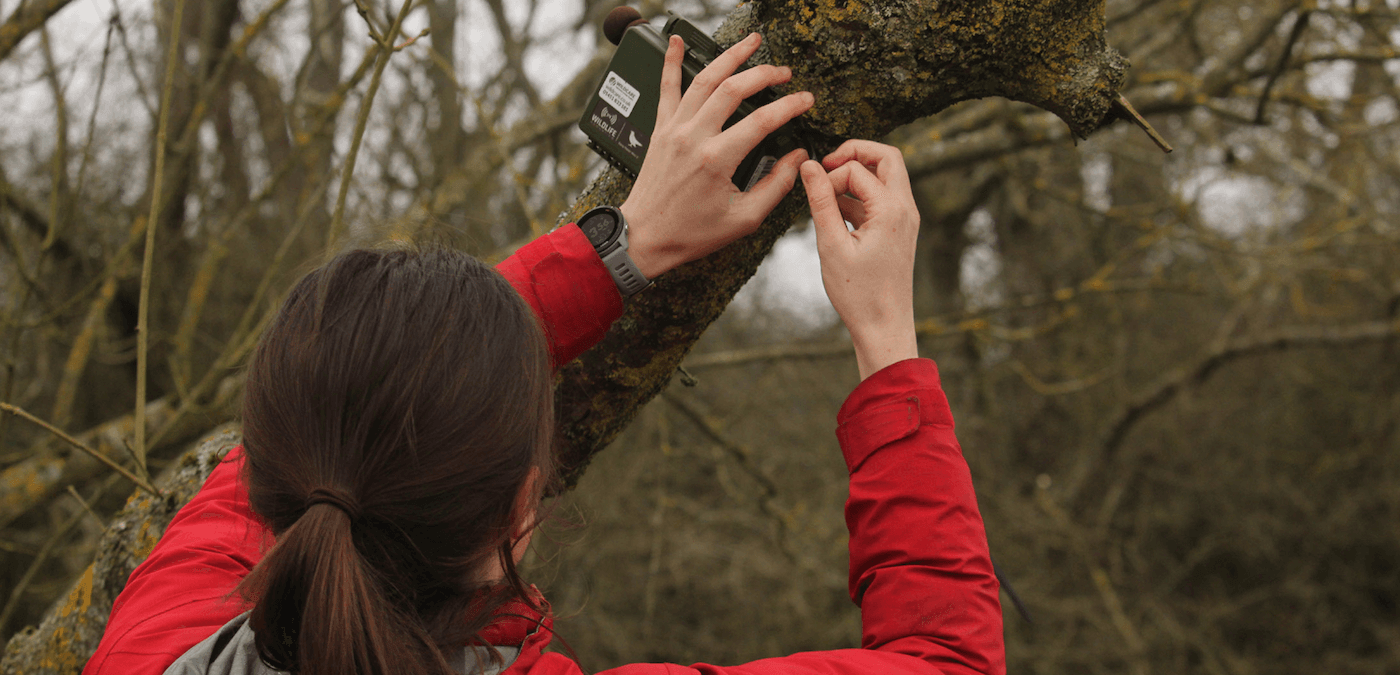
Guest blog by Ella Milne from Ecosulis
Wilder Sensing joins Ecosulis and the Knepp Wildland Foundation to facilitate the restoration of the River Adur in Sussex.
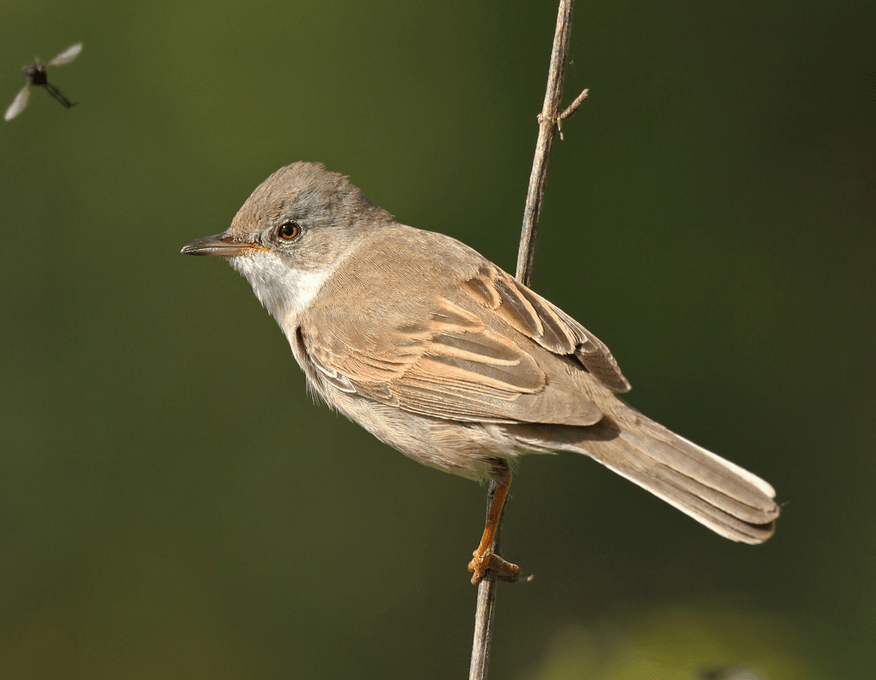
Survey for breeding birds – How Wilder Sensing can help
With St Patrick’s Day, Mothers’ Day and more just around the corner, there’s another major calendar event for ecologists imminently due to start -…

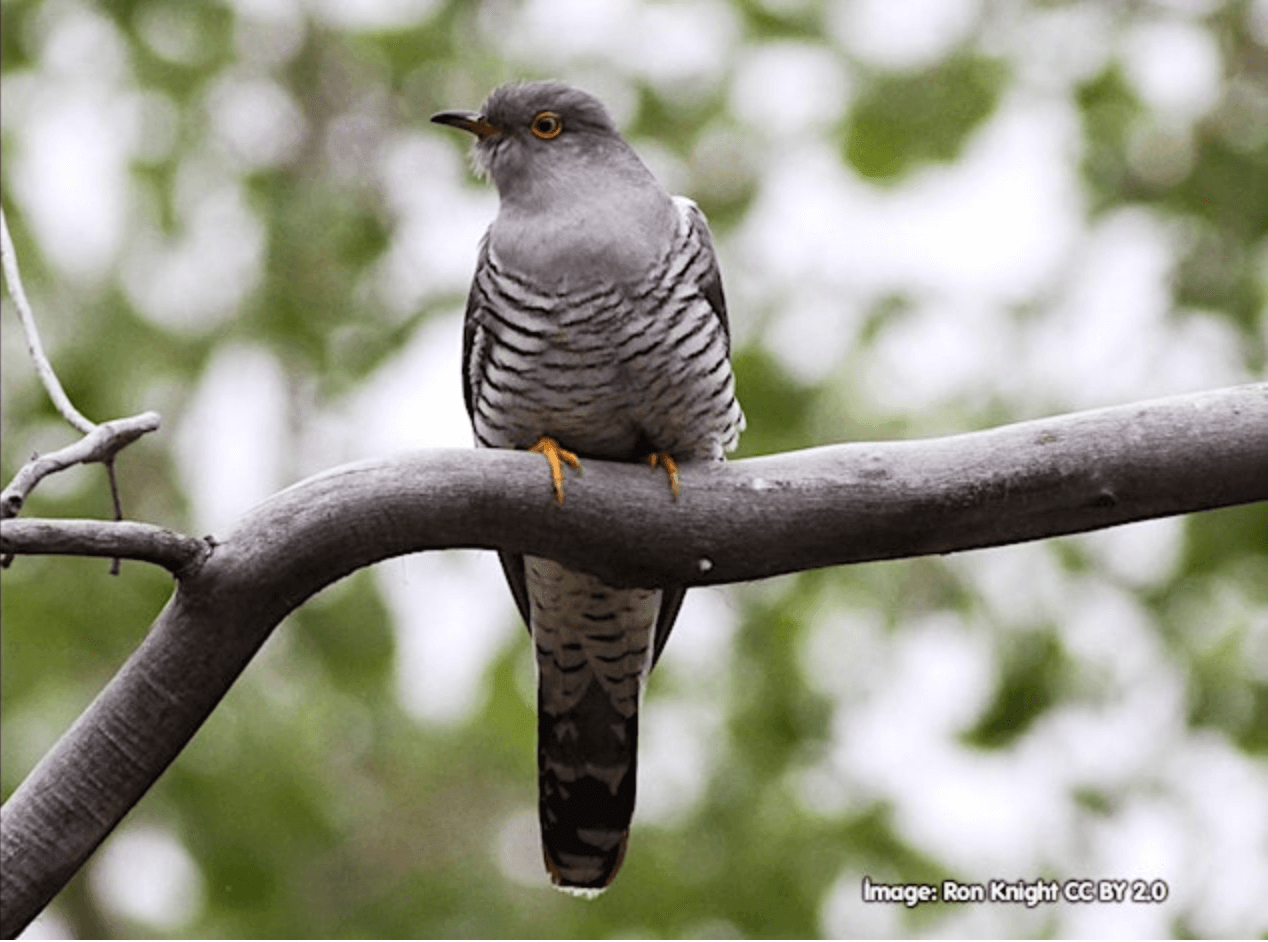
BBC Springwatch again
Wilder Sensing was first featured on BBC Springwatch last year, showcasing how bioacoustics can provide broader insights into Biodiversity monitoring