
Survey for breeding birds – How Wilder Sensing can help
- BSG Ecology Survey Calendar
- BTO Spring Migration
- BTO/JNCC/RSPB BBS
- BTO Rare Breeding Birds
- Cover photo credit to Suffolk Wildlife Trust
We are already on day 71 of 2025. With St Patrick’s Day, Mothers’ Day and more just around the corner, there’s another major calendar event for ecologists imminently due to start… the bird breeding season!
The breeding season for almost all UK birds occurs between February and August. However, the majority of species start nesting from March onwards. BBSs normally require multiple visits, often between April and June (though this of course varies depending on species and survey objectives).
The BBS season is an incredibly busy time for Ecologists. Bioacoustics is an excellent way of standardising your survey methodology, reducing skills gaps between ecologists of differing levels of experience, and providing round the clock recording to better identify cryptic and nocturnal species. It also has the benefit of minimising species disturbance by reducing the number of times ecologists have to venture on-site, enabling a truer reflection of avian activity in the absence of human presence. We have found that Wilder Sensing results typically identify 20% more species than Ecological field surveys in the UK.
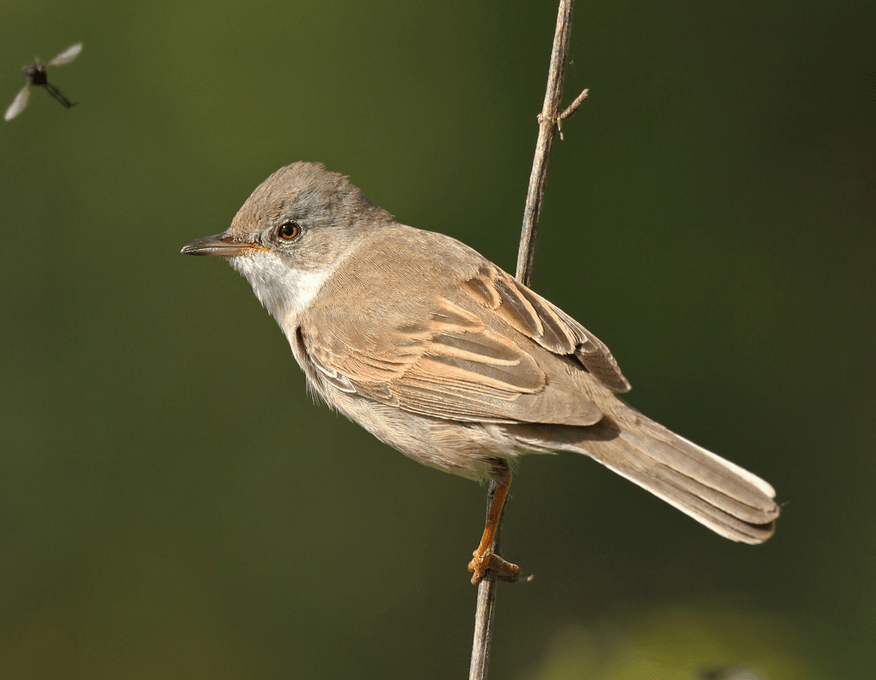
March to May is also a popular time for migratory species, with Sand Martins, Willow Warblers, Redstarts, Yellow Wagtails, House Martins, Whitethroats and Cuckoos all typically arriving in March and April in the UK. You can see an example in Figure 1 of the rising detection rate of Greater Whitethroats as they arrived at Honeygar farm last summer. Using Wilder Sensing, you will be able to identify the arrival (and later, estimate the departure) of migratory species. Reach out to us today at info@wildersensing.com to find out more!

Article Sources:
Related posts
BBC Springwatch again
Wilder Sensing was first featured on BBC Springwatch last year, showcasing how bioacoustics can provide broader insights into Biodiversity monitoring
Guest blog by Ella Milne from Ecosulis
Wilder Sensing joins Ecosulis and the Knepp Wildland Foundation to facilitate the restoration of the River Adur in Sussex.