
Healthy Ecosystems, Healthy Water: A WildSense Case Study with Severn Trent
Who are Severn Trent?
Continuing our case study series on our WildSense customers, Wilder Sensing is proud to introduce readers to another WildSense customer; Severn Trent Water.
With sites stretching from Sheffield to Bristol and into Wales, Severn Trent Water is one of the largest water companies in the UK, providing clean, fresh water to approximately eight million people across 4.6 million homes – that’s around 2 billion litres a day! This monumental task requires large areas of land, managed by Severn Trent Water. Monitoring
biodiversity across this scale is a task that requires, not just a scientifically sound, but scalable solution, which is where WildSense comes in.
“We are the Biodiversity & Ecology Team within Severn Trent, and our team consists of environmental scientists, ecologists, biodiversity project managers, and a biosecurity team. Across the Severn Trent region, our work includes, giving advice on protected species and habitats, addressing the risks posed by Invasive Non-native Species (INNS), looking at how we can protect and enhance nature through best practice within the company and by working with partner organisations and managing land and a variety of habitats on our own sites for biodiversity” – (Ana-Maria Reina-Morris; Environmental Scientist at Severn Trent)
Severn Trent’s environmental journey so far:
For decades, Severn Trent Water has been one of the largest producers of renewable energy through anaerobic digestion. Severn Trent separates their goals and achievements into four main pillars, one of which being ‘Enhance our natural environment’. Working with farmers and community groups across 432,000 ha to restore and protect nature, Severn Trent, like Wilder Sensing, believe in a ‘holistic approach’ to nature restoration as ‘nature does not operate within boundaries’. Moreover, in addition to being the right thing to do, the team at Severn Trent state that healthy ecosystems lead to healthy water.
“Understanding biodiversity on our land matters to us because it will help us direct our habitat management. Depending on what species we find on our land, we can change our habitat management methodology to help support those species.” – (Ana-Maria Reina-Morris; Environmental Scientist at Severn Trent)
Why monitoring is important within the water utility sector:
As owners of large land holdings, the water utility sector as a whole represents natural custodians of the environment. Catchment areas in particular can be heavily affected by pollution run-off events. Healthy rivers naturally hold, transport and clean water. However, the health of a river does not only depend on the physical river itself but on the fauna that inhabit it, the plants and conditions which support them and a myriad of other connected taxa, all linked through the trophic ecosystem. Birds, bats and nocturnal pollinators are central taxa within riparian ecosystems, directly impacting the quality of water in our natural environment. Going down a slightly different route, water companies are also heavily tied to legislative responsibilities. Companies within the water sector are often large companies which may be subject to reporting frameworks such as CSRD, and any new development they undertake must also deliver Biodiversity Net Gain (BNG). At Wilder Sensing, our tools and technology support the water sector in collecting and analysing biodiversity data in an accessible and timely manner.
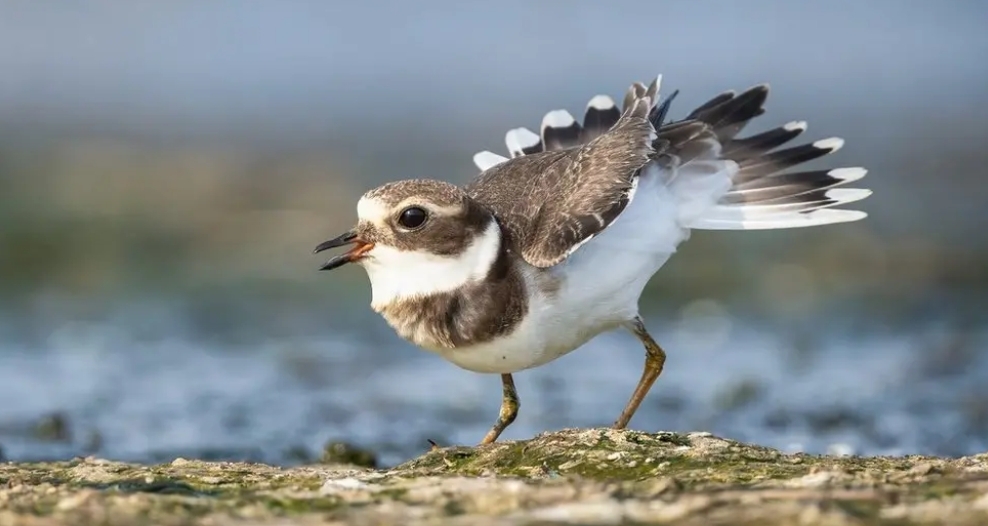
Image credit © New Severn Estuary wetlands to be open to public, it emerges – BBC News
Why Birds, bats, and moths:
Birds, bats and moths all play important roles within ecosystems. Birds are vital predators of small mammals such as shrews, mice and voles, ensuring that rodent populations do not overwhelm the balance of the environment. Moreover, they span every level of the food chain, from seed-eating chaffinches to birds of prey such as peregrine falcons, making them excellent ecosystem indicators. Similarly, bats are also important predators, but of nocturnal insects, and are crucial for pest control. Furthermore, bats are protected species across the UK and often require surveys for planning applications, EIAs and more. Lastly, as anyone who has read our piece on late summer monitoring will know (go check it out here [Why Late Summer Is the Best Time to Survey After Dark]), moths are the unsung heroes of nighttime pollination. Often overlooked, moths work alongside bees as pollinators and are especially important for night-blooming flowers. Additionally, monitoring invertebrates gives companies such as Severn Trent Water a rapid response curve to any habitat management, as invertebrates have shorter lifespans and faster recolonisation rates when compared to bats or birds.
“Moth monitoring is not something we’ve done previously and opens up doors on a whole new species that we can involve and consider when it comes to habitat management. It will be interesting to see how species composition varies between sites and across the site in different habitats” – (Ana-Maria Reina-Morris; Environmental Scientist at Severn Trent)
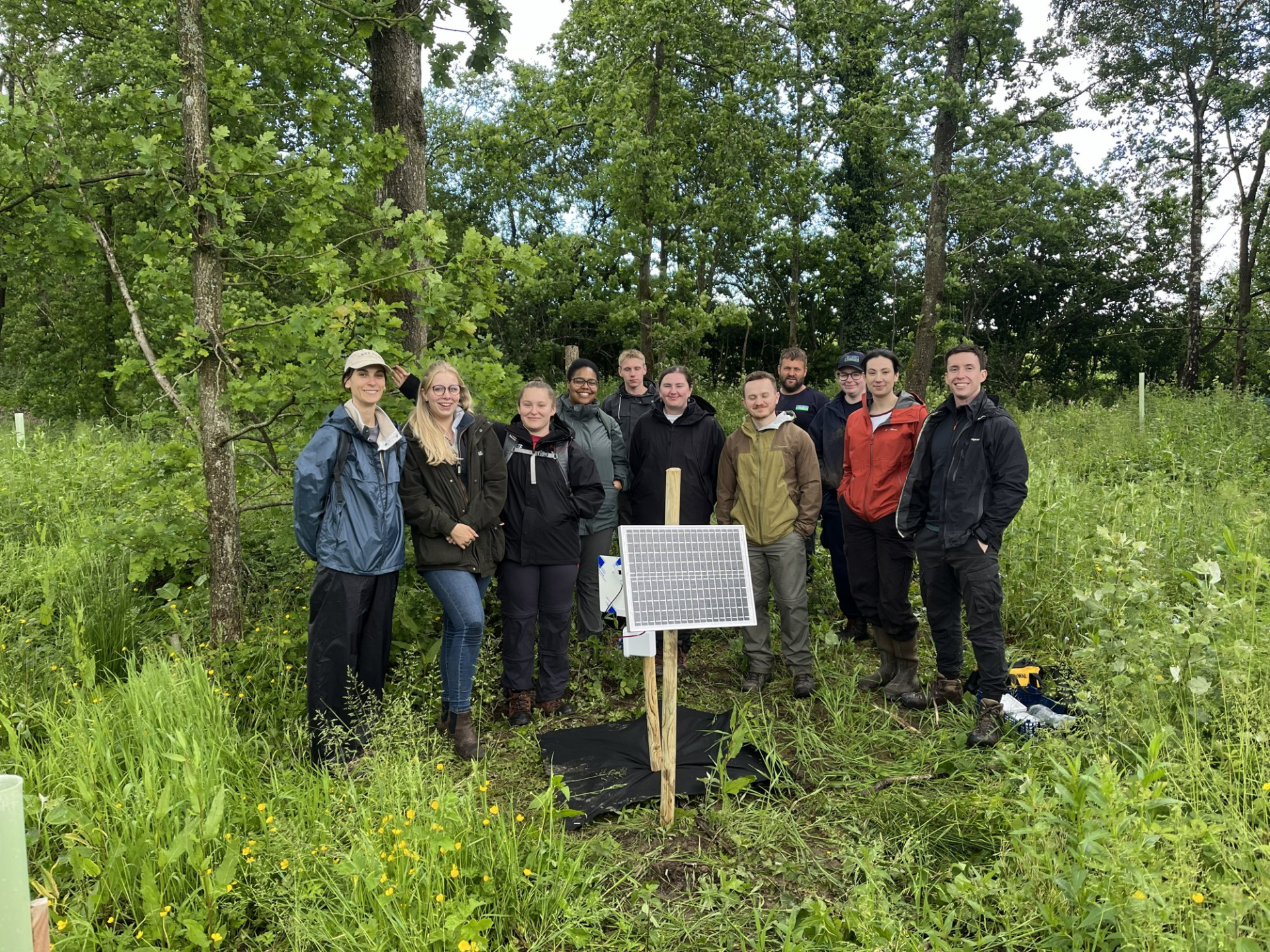
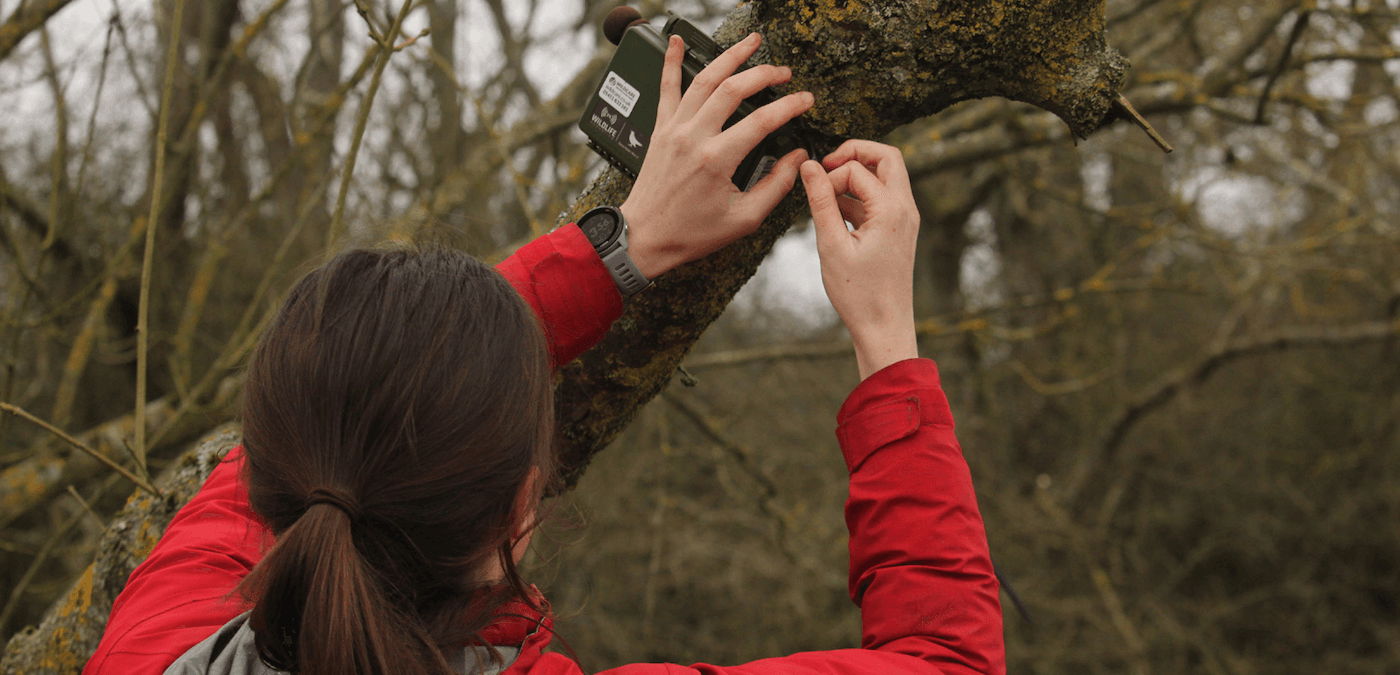
A photograph taken on WildSense deployment day of Wilder Sensing and Severn Trent team members deploying WildSense units.
How are Severn Trent using WildSense?
Severn Trent are using WildSense to improve monitoring at one of their existing reservoir sites. As with much of the land under their stewardship, the challenge was how to cover a large landscape effectively. Moreover, the team wanted to raise the quality of the data used to guide stewardship on the site, while making sure it was something they could realistically keep up with over time.
WildSense is one of Wilder Sensing’s newest offerings, launched in June 2026. Each WildSense consists of two co-located recorders, able to monitor birds and bats using bioacoustics and moths using an image capture device. By adding WildSense to their existing monitoring framework, Severn Trent can collect continuous, granular,
multi-taxonomic data across the reservoir site without relying on one-off surveys. In addition, because the data is processed and shared through a single dashboard, the team can follow what is happening on the site throughout the year rather than waiting for survey reports.
“This 5-year cycle our team is focusing more on the “so what?” of it all. We want to know more about the impact of our habitat management across our sites. Monitoring species is one way for us to measure success of the work we undertake, and WildSense is a project that will helps us to do this.” - (Ana-Maria Reina-Morris; Environmental Scientist at Severn Trent)
If you need high-quality biodiversity data across large landscapes like Severn Trent Water, get in contact with a Wilder Sensing team member at info@wildersensing.com, and we’d be more than happy to set up a call or send over some more information.
Related posts
Guest blog by Ella Milne from Ecosulis
Wilder Sensing joins Ecosulis and the Knepp Wildland Foundation to facilitate the restoration of the River Adur in Sussex.
Survey for breeding birds – How Wilder Sensing can help
With St Patrick’s Day, Mothers’ Day and more just around the corner, there’s another major calendar event for ecologists imminently due to start -…
BBC Springwatch again
Wilder Sensing was first featured on BBC Springwatch last year, showcasing how bioacoustics can provide broader insights into Biodiversity monitoring