
BBC Springwatch again
Broadcast every May and June, and airing 12 live episodes over an intensive 3 week period, BBC’s Springwatch is a stalwart of nature documentary. Now in its 20th year, the program is a seasonal landmark in many people’s lives. Attracting some 2 million viewers in the UK, it explores many aspects of the natural world.
Wilder Sensing was first featured on BBC Springwatch last year, showcasing how bioacoustics can provide broader insights into Biodiversity monitoring. The 2024 item illustrated the richness of information that can be gained from detailed long term data collection, through quality AI analysis of sound recordings. Over a 6 week period we were able to identify 436,000 calls from some 7,000 hours of audio at the spectacular RSPB Arne.
https://www.bbc.co.uk/iplayer/episode/m00205c3/springwatch-2024-episode-11
2025 has seen the BBC Springwatch village move from Dorset to Derbyshire, and we moved with them! This year sees a bigger operation, with even more recorders deployed across the National Trust’s fantastic Longshaw Estate. As we pour through the outputs of the AI analysis we’re discovering some really interesting stuff.
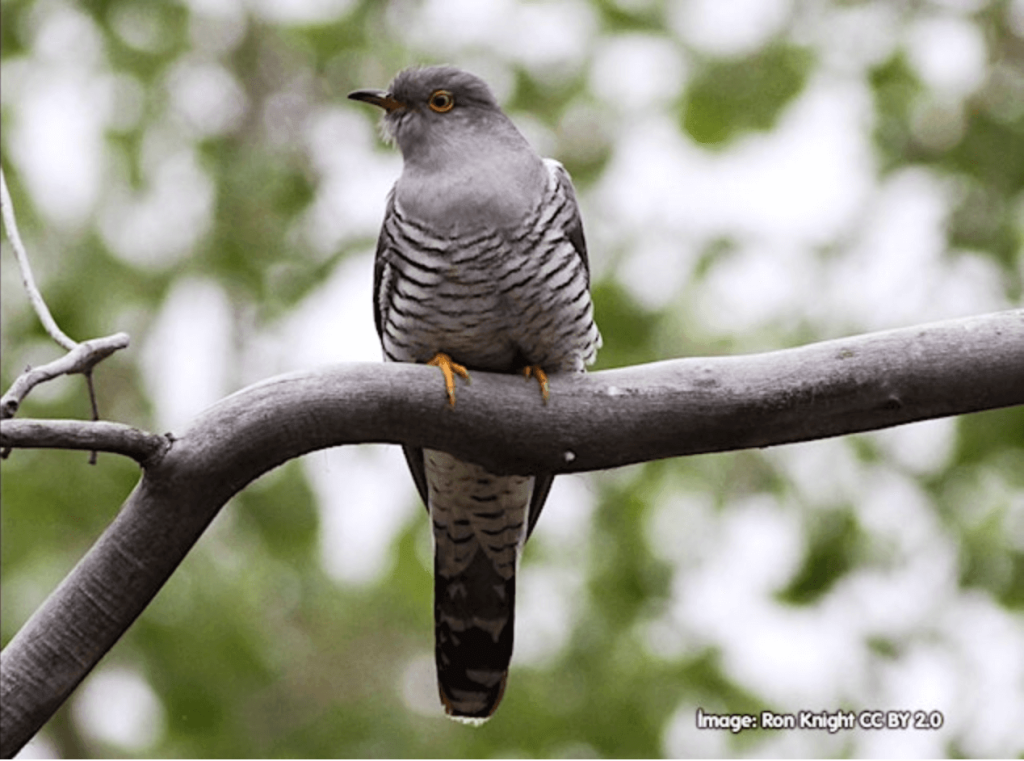
A regular and much loved Springwatch feature is the array of nest cameras which offer an intimate view into the hard work, and various methods used by different bird species to successfully breed and raise their chicks. Our results have helped the Springwatch team locate nests, and have provided insights for a fascinating feature on the (no longer so) Common Cuckoo.
The infamous brood parasite (who don’t raise their own young) need to synchronise their egg laying with that of their target species (who will raise the Cuckoo chick). Historically they have been able to target the nests of resident birds, such as the Dunnock and Meadow Pipit, as well as migrant Warblers.
Data shows that resident birds are breeding earlier and earlier, so by the time Cuckoo’s arrive after their migration, it’s too late. Their potential targets have already brooded and hatched their young, and their nest is safe from being parasitised. Consequently, the Cuckoo’s can only target the migrant warblers. The number of nests they can parasitise is dramatically reduced, along with their chance of successfully breeding. This is an excellent example of how longer term bioacoustic data sets can identify and evidence the potential causes of species decline.
If you’re in the UK you can check out the item in full at the end of Episode 6 on BBC IPlayer:
https://www.bbc.co.uk/iplayer/episode/m002d3j1/springwatch-2025-episode-6#t=52m20s
Related posts
Guest blog by Ella Milne from Ecosulis
Wilder Sensing joins Ecosulis and the Knepp Wildland Foundation to facilitate the restoration of the River Adur in Sussex.
Survey for breeding birds – How Wilder Sensing can help
With St Patrick’s Day, Mothers’ Day and more just around the corner, there’s another major calendar event for ecologists imminently due to start -…
